What we work with

System integration

Few organisations can replace everything at once. We connect new capability to the systems already in use, so data is entered once and reaches every system that needs it.

What we build

  • API integrations between ERP, registers, databases and new applications
  • Webhooks that push changes to other systems as they happen
  • Data mapping and transformation rules, documented and tested
  • Message queues that keep systems in step when one is slow or offline
  • Middleware or integration platform as a service (iPaaS) connectors where a managed platform fits better

How we deliver

  1. 01

    Inventory the systems, their data and their interfaces

  2. 02

    Agree a single source of truth for each data item

  3. 03

    Build, test with real data samples, then monitor the live connections

Tools we use

  • Laravel
  • Node.js
  • Fast​API
  • Python
  • Redis
  • My​SQL
  • Postgre​SQL
  • Google Maps

Methods and standards

  • REST and SOAP APIs
  • Webhooks
  • Data mapping
  • Message queues
  • Middleware and integration platforms (iPaaS)

Case studies

Where we have used it.

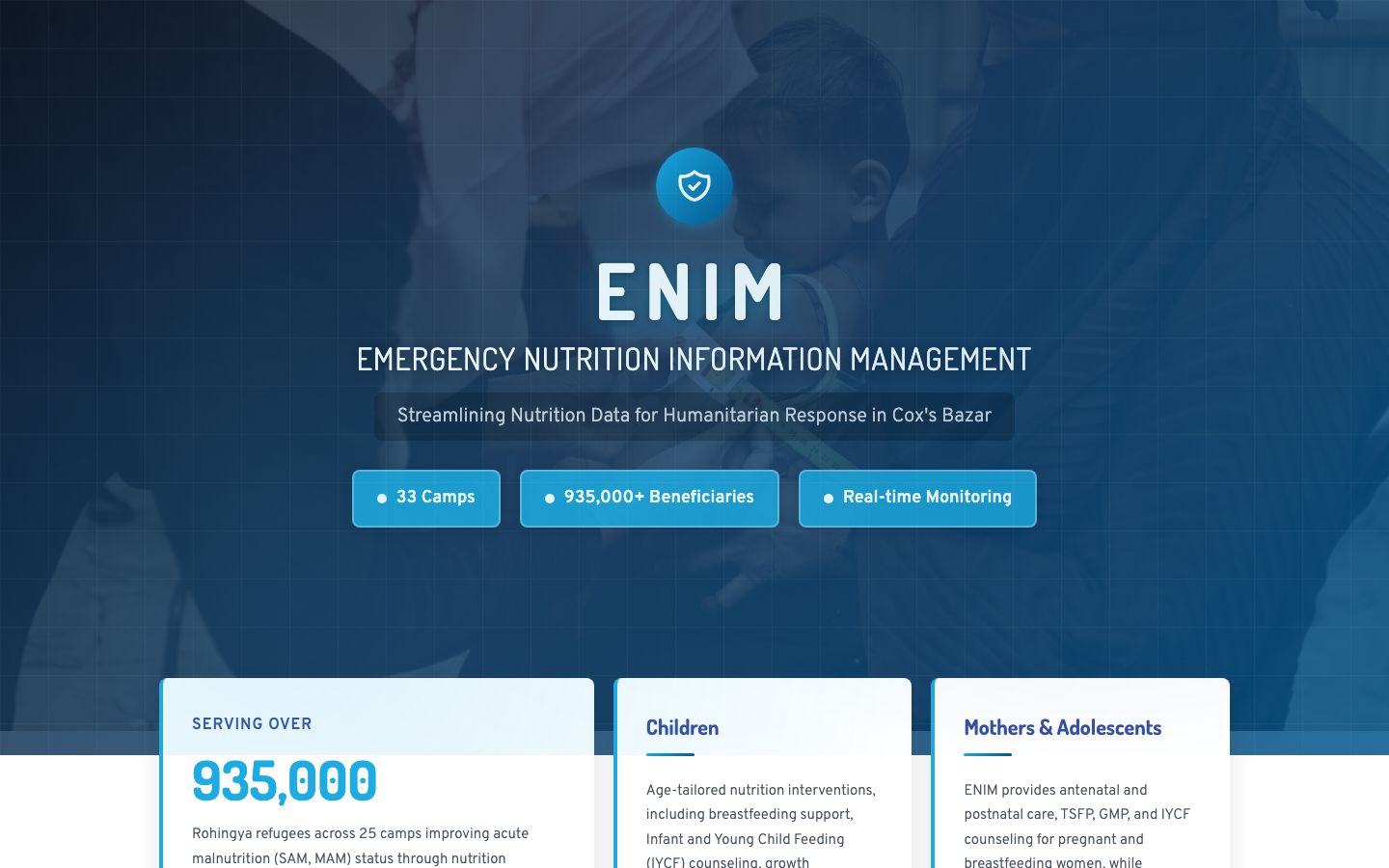
  • Screenshot of ENIM
    Humanitarian responseLive

    ENIM

    UNICEF and the Nutrition Sector, Cox's Bazar

    A tablet app, analytics dashboards and an admin panel that give the Rohingya nutrition response in Cox's Bazar one case-based record for more than 935,000 people across 33 camps, from the facility visit to sector reporting.

    Read the case study: ENIM →

  • Screenshot of Diganta
    RetailTechLive

    Diganta

    Diganta, children's fashion, Dhaka

    An ERP, point of sale and online store for a children's fashion brand with six shops, built on one stock: every barcode, outlet transfer, online order and Daraz sale draws from the same numbers.

    Read the case study: Diganta →
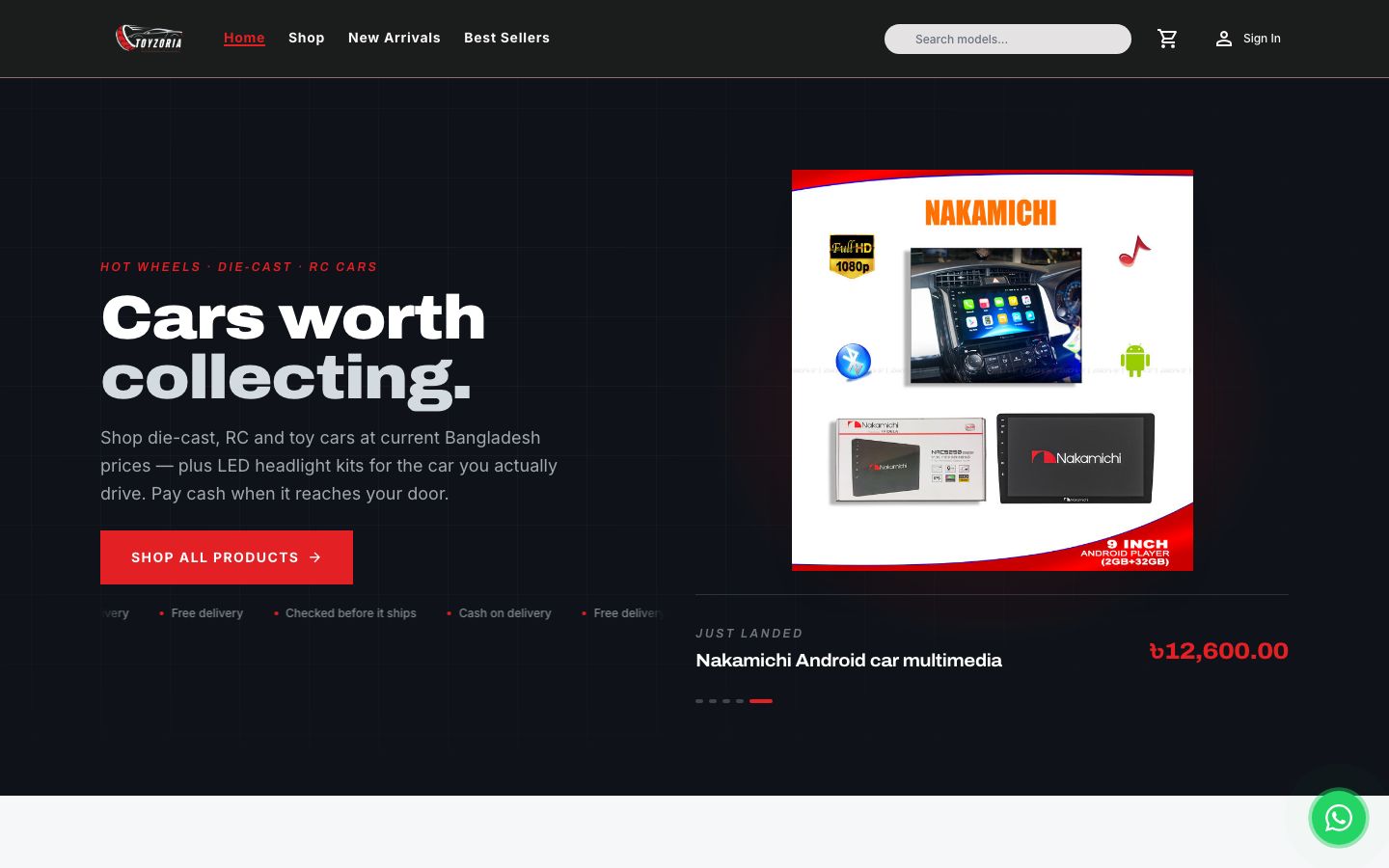
  • Screenshot of ToyZoria
    E-CommerceLive

    ToyZoria

    ToyZoria, Bangladesh

    An online shop for die-cast, remote-control and toy cars, LED headlight kits and car multimedia, with cash on delivery, one delivery rate across Bangladesh, and a back office where the team runs products, stock, sales, expenses and website analytics.

    Read the case study: ToyZoria →

Questions

Questions about system integration.

Do we need to replace our existing systems?

No. We connect new capability to the ERP, registers and platforms you already run, so data is entered once and reaches every system that needs it.

What integration methods do you use?

REST and SOAP APIs, webhooks, documented data mapping, message queues for systems that are slow or offline, and middleware or iPaaS where a managed platform fits better.

How do you keep data consistent across systems?

We agree a single source of truth for each data item, test with real data samples, then monitor the live connections.

Which tools do you build integrations with?

Laravel, Node.js and Python (FastAPI) services, Redis queues, and MySQL or PostgreSQL staging tables, connecting to payment gateways, marketplaces such as Daraz, Google Maps and government or UN platforms.

Next step

Let’s solve it together.

Describe the problem in a few lines. We agree a short call before we propose anything.

  1. 01You describe the problem in a few lines.
  2. 02We reply with questions within one business day.
  3. 03We agree a short call before any proposal.
Head office
Suite B1, 60, Road 9/A, Dhanmondi, Dhaka 1209